
Generic Viagra (Sildenafil)
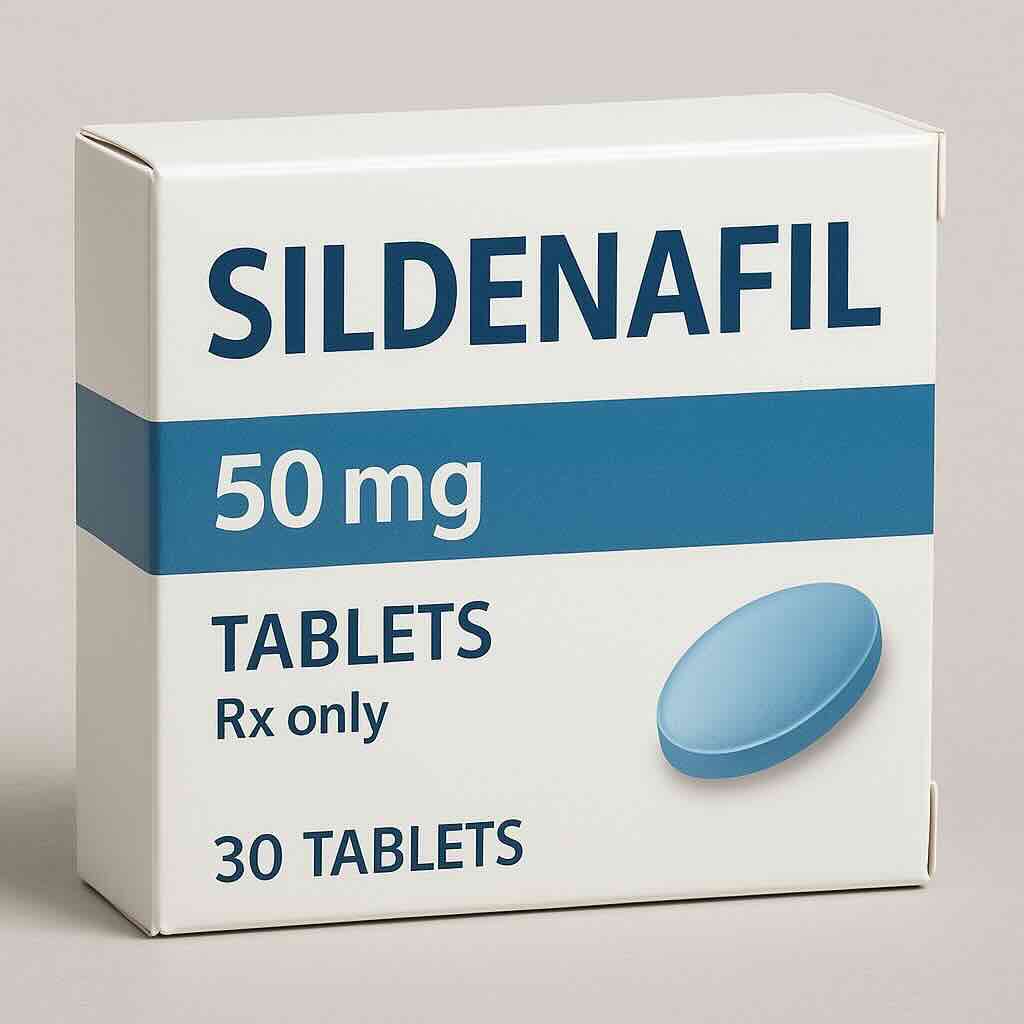
Sildenafil is the generic Viagra, produced by other pharmaceutical companies, with the same active ingredient, effect, and safety profile as the brand drug but at a lower price. It is prescribed to treat ED (erectile dysfunction) in adult men and requires a valid prescription to ensure safe and appropriate use.
1
Select strengthChoose the strength you want to order
2
Choose packageCompare available quantities and prices
3
Add to cartReview your selection and continue
Select strength
Choose from the available dosages below25 mg50 mg100 mg120 mg130 mg150 mg200 mg
Choose quantity for 25mg
Your selection
Dosage25 mgPackageNot selected
Total Price–Select package first
| Name | Various Options | Price | How to Get |
| Sildenafil | 25 mg, 50 mg, 100 mg | $0.31 per tablet | Online Services and Pharmacies |
- Prescription required. Sildenafil is available through online services or pharmacies only after an online consultation with a licensed medical provider and is prescribed when clinically appropriate.
- Approved prescriptions may be sent to the pharmacy partner in Oxnard, CA for dispensing when the medication and delivery service are available for your location. When partner cannot fulfill the prescription, it may be sent to an eligible local pharmacy selected by the patient.
- Consultation and medication charges are separate unless the treatment price specifically states otherwise. The final medication cost may depend on the dispensing pharmacy, quantity, prescribed strength and insurance coverage.
- Take Sildenafil exactly as prescribed by your provider. For erectile dysfunction, sildenafil is commonly taken 30 minutes to 4 hours before sexual activity and should generally be used no more than once daily. Sexual stimulation is required for an erectile response.
- Important safety warning. Sildenafil must not be used with nitrate medicines or nitric oxide donors because the combination can cause a dangerous fall in blood pressure. Current labeling also contraindicates use with guanylate cyclase stimulators such as riociguat.
- Telehealth services and prescription availability vary by state and patient eligibility. Prescription approval follows completion of the required medical consultation.
- Adverse events. Patients may report serious or unexpected medication reactions through FDA MedWatch or by calling 1-800-FDA-1088.
Table of contents:
| What is SildenafilTop QuestionsHow to BuyPrice ComparisonTelehealth ServicesProduct OverviewWhere to Buy OnlineWho Makes Generic MedicationBefore StartingGeneric Version | Correct TakingAuthentic SildenafilHow Verify a PharmacyPrescriptionGeneric or Brand VersionTelehealth or Local DrugstoreDiscounts and CouponsOverseas PharmaciesTelemedicine QuestionsSafety QuestionsRegulatory & Clinical Info |
Main Customer Questions
Can you buy Viagra without a prescription?
Sildenafil is a prescription medication in the United States, so it can only be purchased after a licensed healthcare provider evaluates your condition and approves the treatment.
Can an online prescription be used at a local pharmacy?
Most U.S. pharmacies can fill an online prescription as long as it was issued by a licensed clinician and can be verified through the pharmacy’s standard prescription system.
How much does an online consultation cost through your telehealth service?
Our telehealth appointments typically start at $25, although the final cost may vary slightly depending on the type of medical evaluation required.
How long does delivery take across the United States?
Standard delivery within the United States usually takes 3 to 7 business days, depending on the destination and the delivery option selected.
How to Get Generic Viagra with a Prescription
Step 1 – Schedule a Medical Consultation
Sildenafil requires a valid prescription from a licensed healthcare professional. Patients can arrange an in-person appointment or, where permitted, an online consultation with an authorized medical provider.
Step 2 – Complete the Medical Evaluation
The healthcare professional reviews erectile dysfunction symptoms, medical history, current medications and cardiovascular risk factors to determine whether Sildenafil is a safe and appropriate treatment.
Step 3 – Receive a Prescription and Obtain Medication
If Sildenafil is appropriate, the provider issues a prescription specifying the strength, dosage instructions and quantity. The patient can then have it filled at a licensed pharmacy, subject to applicable prescribing and dispensing requirements.
Price Overview
| Sildenafil | Options: 25 mg (or 50 mg, 100 mg) | |
| Options | Price | How Much You Save |
|---|---|---|
| 10 tablets (50 mg) | $32 | $10 |
| 30 tablets (50 mg) | $82 | $27 |
| 20 tablets (100 mg) | $54 | $17 |
| 40 tablets (100 mg) | $99 | $33 |
| *A prescription may be issued only after evaluation by a licensed medical provider | ||
If the doctor approves treatment, your prescription is sent electronically to your chosen pharmacy. You’ll get brief instructions on dosing and any precautions you should follow. All visit details are stored securely to protect your privacy.
Price Comparison
| Telehealth Service | Price per 50 mg tablet |
|---|---|
| Blink Health | $0.80 – $1.60 |
| Hims | ≈ $1.00 – $2.00 |
| Lemonaid Health | ≈ $1.20 – $2.10 |
| ZipHealth | $0.70 – $1.40 |
| Roman (Ro) | ≈ $1.80 – $3.50 |
| GoodRx Marketplace | ≈ $0.40 – $0.90 |
*Prices are approximate and may change depending on quantity, pharmacy fulfillment, subscription plans, or state availability.
Benefits with Telehealth Pharmacy Services
Telemedicine services offers virtual appointments as part of its daily clinical work, giving patients an easy way to speak with licensed doctors without visiting the hospital. Online sessions follow the same medical standards, privacy rules, and clinical accuracy as in-person visits. Patients can discuss symptoms, request refills, and receive treatment recommendations from home. The system also supports long-term care by keeping each prescription and follow-up in step with the patient’s medical record.
Key advantages include:
- Access to licensed physicians for online visits.
- Flexible scheduling throughout the day or the next day.
- Secure video consultations that comply with HIPAA requirements.
- Electronic prescriptions sent directly to your preferred pharmacy.
- Coordination between online care and in-clinic medical history.
- Long-term storage of private digital health records in a secure system.
Important Product Information
| Active ingredient: | Sildenafil citrate, a popular PDE5 inhibitor that increases blood flow to penile tissue and helps support an erection during sexual stimulation. |
| Indications: | – Erectile dysfunction – Difficulty achieving or maintaining an erection – Vascular-related ED symptoms |
| Mechanism of action: | Blocks the PDE5 enzyme, allowing smooth muscle relaxation and increased blood flow during sexual stimulation. |
| Benefits: | – Helps achieve and maintain an erection – Works within 30 to 60 minutes – Available in multiple strengths – Long clinical history of effectiveness |
| Side Effects: | – Headache, facial flushing, nasal congestion – Indigestion, mild dizziness – Rare: changes in vision or hearing, prolonged erections |
| Storage: | Keep at 20°C–25°C (68°F–77°F), protected from moisture and direct heat. |
| Brand vs. Generic: | Sildenafil works the same as brand Viagra at a much lower cost. |
| Interactions: | – Absolutely avoid nitrates (risk of dangerous blood pressure drop) – Caution with alpha-blockers – Some antifungals, antibiotics, and HIV medications may affect metabolism |
| Overdosing: | Symptoms may include severe dizziness, fainting, chest pain, or prolonged erection. Seek immediate medical help. |
Where to Buy Generic Viagra Online?
When buying Viagra online, it is worth paying attention to two things at the same time. The medicine should come through a licensed service that can legally prescribe it, and the price per tablet should remain reasonable. Brand-name Viagra in the United States may cost about $60-$90 for one 100 mg tablet when paid for without insurance. Sildenafil is usually much cheaper and can often be found online for about $2-$10 per tablet, with some subscription plans or coupons reducing the price even further.
Top 7 online telehealth services that prescribe and ship generic Sildenafil
- Hims runs the whole cycle online: intake form, clinician review, prescription, and shipping in 2–5 business days. It offers brand Viagra and generic sildenafil in 25 mg, 50 mg, and 100 mg tablets. Consultations for ED are currently advertised as free, with generic Viagra starting around $4 per dose and branded Viagra from roughly $139 per dose, depending on strength and quantity.
Healthline - Ro charges a flat $15 for the initial online visit, then offers sildenafil and brand Viagra in 25 mg, 50 mg, and 100 mg. Healthline’s 2025 comparison lists Ro as one of the broadest ED options, and Ro itself notes that follow-up messages with clinicians are free. Generic sildenafil often starts around $4–$10 per pill, and shipping in discreet packaging is included.
- Rex MD focuses almost entirely on men’s health. It uses a structured questionnaire reviewed by a U.S. clinician and then ships ED meds monthly. Their own and third-party reviews show generic sildenafil from about $2 per pill for lower strengths, with larger 50–100 mg doses closer to $5–$6 per pill when you subscribe. Shipping is usually free and there is no separate consultation fee beyond the product price.
- Lemonaid combines a telehealth visit with pharmacy fulfillment. ED evaluations are typically in the $25–$40 range depending on state, and generic sildenafil pricing on their site and partner pharmacies often lands near $2–$5 per tablet for 25–100 mg strengths. Some ED plans are bundled so the monthly fee covers both the visit and the medication.
- BlueChew sells chewable sildenafil (typically 30 mg or 45 mg) through a membership model after an online questionnaire and clinician review. Plans start around $25–$30 per month for a small supply and go up with larger quantities; a mid-tier plan with about 17 chewable tablets can be around $50 per month. Everything, including the consult and home delivery, is wrapped into the subscription cost.
- GoodRx now runs its own ED subscription that bundles the consult, prescription, and sildenafil delivery. Company announcements in 2025 show prices starting at about $18 per month for generic Viagra, with dosing and final price varying by prescription. This is designed for patients who want a predictable monthly charge and do not plan to use insurance.
- Amazon’s One Medical pay-per-visit telehealth offers ED treatment with a flat visit fee that starts at about $29 for a message visit or $49 for a video visit, depending on the state. If a clinician prescribes Sildenafil, the prescription can be sent directly to Amazon Pharmacy, where Prime members often see cash prices around a few dollars per 100 mg tablet after “Prime pricing” discounts, or they can use regular insurance coverage.
Top 3 pharmacies that commonly fill online prescriptions
- Costco Pharmacy. Costco’s Member Prescription Program lists very low cash prices for many generics. Public price tables show example pricing where 30 tablets of generic sildenafil 100 mg can be under $20 at some locations, though prices vary by state and club. You can use a telehealth prescription from Hims, Ro, One Medical, or your local doctor and have it filled at Costco, then pick up in store or use their mail-order option.
- Amazon Pharmacy functions as a national online pharmacy rather than a traditional store. Its own product pages show that most customers using insurance pay only a few dollars per generic sildenafil prescription, and uninsured patients see discounted cash prices that are often competitive with big-box stores.
- Local chains using discount coupons. CVS, Walgreens, Walmart, and many supermarket pharmacies accept digital coupons from services like GoodRx. GoodRx’s ED pricing tools show generic sildenafil as low as about $0.40–$1 per tablet at some pharmacies with a coupon, while the same medication without discounts can be several times more expensive. Brand-name Viagra at CVS, by contrast, has been listed at around $117 for a single 25 mg tablet as of 2025, which is why most patients move to generics.
Three additional ways people buy generic Sildenafil legally
- Mail-order through your health plan. Many employer or commercial plans use mail-order pharmacies such as CVS Caremark, Express Scripts, or OptumRx. If the plan covers ED medications at all, a 90-day supply of generic sildenafil can sometimes be placed in a preferred tier with a flat copay, so you might pay something in the $10–$50 range per 3-month fill instead of per pill retail prices. Plan documents and formularies spell out which strengths are covered and whether quantity limits apply.
- 340B and community health center pharmacies. Some community health centers and hospital-affiliated pharmacies participate in the federal 340B program, which allows deeply discounted drug acquisition costs. Patients who qualify for sliding-scale care may see significantly lower cash prices for generic sildenafil than in retail chains, especially when ED is being treated alongside diabetes, hypertension, or other chronic conditions and the prescription is written by the center’s clinicians. Actual pricing varies widely and is usually only available directly from the clinic’s pharmacy desk.
- Licensed international mail-order pharmacies, where permitted. A number of comparison sites track prices from pharmacies in Canada, the UK, and other countries that ship generic sildenafil to the U.S. Prices as low as about $0.40–$0.50 per 100 mg tablet are reported at some accredited pharmacies, compared with tens of dollars per pill at many U.S. retail counters. However, U.S. regulators stress that, in most situations, it is technically illegal for individuals to import prescription drugs for personal use, even from Canada, and that exceptions are narrow and case-by-case. Anyone considering this route has to weigh the legal risk and verify that the site is properly licensed and vetted, because counterfeit ED drugs are a well-documented problem online.
Whichever option you choose, the common denominator is the same prescription pathway: you need a legitimate ED evaluation, a real prescription, and a pharmacy that is licensed in its jurisdiction and transparent about pricing and safety checks.
Who Makes Viagra and its Approved Generics in the USA?
Patients in the U.S. can choose between brand-name Viagra, which is still produced exclusively by Pfizer, and a wide range of FDA-approved generic sildenafil products manufactured by large pharmaceutical companies that specialize in high-volume generic production. Brand Viagra remains available in 25 mg, 50 mg, and 100 mg tablets, but most prescriptions in the U.S. have shifted to generics because the price difference is substantial: depending on the pharmacy and quantity, a generic 100 mg sildenafil tablet can cost anywhere from $0.40 to $10, while a single branded Viagra tablet may exceed $60-$90 cash price. FDA approval requires full bioequivalence testing, meaning every generic listed below delivers the same active ingredient exposure and therapeutic effect as Pfizer’s brand product.
The U.S. generics market includes both domestic manufacturers and globally recognized firms with FDA-regulated plants. Some products are made entirely in the U.S., others are produced in FDA-inspected facilities abroad and packaged in the United States. All of them follow the same federal manufacturing standards, release testing, batch consistency evaluation, and post-market surveillance requirements.
FDA-Approved Manufacturers of Viagra and Sildenafil in the United States
| Manufacturer | Product | Dosages (mg) | Notes |
|---|---|---|---|
| Pfizer | Viagra (brand) | 25, 50, 100 | Only brand-name producer. U.S. and EU manufacturing sites; highest retail cost. |
| Greenstone (Pfizer subsidiary) | Authorized generic sildenafil | 25, 50, 100 | Chemically identical to Viagra but sold without branding; often used by major mail-order plans. |
| Teva Pharmaceuticals | Sildenafil | 20, 25, 50, 100 | One of the first generic competitors after patent expiration; large U.S. production capacity. |
| Mylan/Viatris | Sildenafil | 20, 25, 50, 100 | Supplies many chain pharmacies; known for stable pricing on bulk quantities. |
| Aurobindo Pharma | Sildenafil | 20, 25, 50, 100 | Common supplier to Costco, Walmart, and mail-order PBMs; competitive per-pill pricing. |
| Cipla USA | Sildenafil | 25, 50, 100 | Frequently used by telehealth fulfillment networks; strict batch quality control. |
| Torrent Pharmaceuticals | Sildenafil | 20, 25, 50, 100 | Strong U.S. market presence; widely available in discount pharmacy programs. |
| Sun Pharma | Sildenafil | 20, 25, 50, 100 | One of the largest global manufacturers; FDA-approved U.S. distribution. |
| Lupin Pharmaceuticals | Sildenafil | 25, 50, 100 | Often supplies smaller regional pharmacy chains and independent pharmacies. |
| Hetero Labs / Camber Pharmaceuticals | Sildenafil | 20, 25, 50, 100 | Major supplier for low-cost generics; strong presence in discount cash-pay markets. |
Key Points Patients Should Know
All generics above are FDA-approved and must match the brand’s active ingredient, pharmacokinetics, safety profile, and therapeutic effect. Differences appear only in pill shape, coatings, inactive ingredients, packaging, and manufacturer pricing. In clinical use, outcomes for erectile function, side effects, onset, and duration match those of Pfizer’s original product. For price comparison, patients typically see $0.40–$3 per tablet in bulk online orders, $3–$10 in standard retail chains, and $60–$90 for brand Viagra if paying full cash price.
| Parameter | Brand Viagra (Pfizer) | Generic Sildenafil (Multiple Manufacturers) |
|---|---|---|
| Active ingredient | Sildenafil citrate | Sildenafil citrate (identical) |
| Strengths | 25, 50, 100 mg | 20, 25, 50, 100 mg depending on manufacturer |
| Bioequivalence | Reference | Must match within FDA’s 80–125 percent PK range |
| Effectiveness | Up to 82 percent response rate | Same outcome profile per FDA-reviewed data |
| Side effects | Headache, flushing, nasal congestion | Identical pattern and frequency |
| Onset / Duration | 30–60 min / 4 hours | Same |
| Price | $60–$100 per pill | $0.40–$7 per pill |
| Insurance coverage | Rare | Sometimes covered |
| Patient preference | Brand recognition | Cost savings without loss of effect |
What to Ask Your Physician Before Starting Generic Viagra?
Are there any tests I should complete before starting Sildenafil treatment?
Doctors usually decide whether to do tests based on the patient’s age, medical history, and any symptoms that could be causing erectile problems. A lot of men only need a regular physical exam and a look at their medications that might make Sildenafil less effective. Some situations call for more blood tests, such as glucose or HbA1c to rule out diabetes, lipid levels to check for vascular risk, and kidney or liver function tests to help figure out the right dose. If libido is low, morning testosterone may be added. If a patient says they have chest pain, can’t handle exercise well, or has a history of heart disease, they may need to have an ECG or stress test before they can start ED therapy. These evaluations are used to confirm that erectile dysfunction is not masking a cardiovascular issue and to make sure Sildenafil can be used safely without exposing the patient to unnecessary risks.
What dose of Sildenafil makes the most sense for me when beginning therapy?
Most men begin treatment with a 50 mg tablet taken before planned sexual activity, since this strength balances effect and tolerability for a broad range of patients. The dose can be adjusted depending on the response. If some men have headaches, flushing, or changes in blood pressure, they may feel better if they lower their dose to 25 mg. If the first dose doesn’t work and there are no worries about blood pressure, heart disease, or medications that interact with each other, some people may need to increase their dose to 100 mg. Age, kidney function, and some medications, like strong CYP3A4 inhibitors, affect where the first dose is set. A doctor also thinks about how regular sexual activity is, since some men may want a higher dose for occasional use while others prefer a more cautious approach. Dose adjustments are made stepwise to find the point at which benefit and side effects are balanced.
Is there a generic version of Viagra?
Yes. Sildenafil itself is the generic drug that replaces brand-name Viagra, and in most countries it is available from multiple manufacturers in several strengths and dosage forms. Originally, only Pfizer could sell Viagra tablets with sildenafil citrate as the active ingredient. After patent protection expired in major markets (2012–2013 in Europe, around 2017 in the U.S.), other companies were allowed to produce their own sildenafil products under the generic name.
In the U.S., generic sildenafil citrate is now widely available in 25 mg, 50 mg, and 100 mg tablets, which match the standard Viagra strengths. Many telehealth services and retail pharmacies also dispense lower “fractional” doses by instructing patients to split 100 mg tablets, for example taking 25 mg or 50 mg from a scored tablet if the prescriber approves it. You will also see other formulations based on the same molecule, such as orally disintegrating tablets and chewable sildenafil, but they still use the same active ingredient and work through the same mechanism (PDE5 inhibition in penile blood vessels).
From a regulatory standpoint, Sildenafil must show bioequivalence to Viagra. That means it delivers the same amount of active ingredient into the bloodstream over time within a narrow statistical range and has the same expected efficacy and safety profile. In practice, side effects, onset of action (usually 30–60 minutes), and duration (up to 4 hours of effect, sometimes longer) are very similar to the brand. The visible differences are in pill shape, color, imprint, and packaging, not in how the drug works.
The major reason people switch to generic sildenafil is cost. While a branded Viagra 100 mg tablet can still be priced at tens of dollars per pill in some U.S. pharmacies, generic sildenafil purchased with coupons, telehealth memberships, or insurance often falls into roughly the $0.50–$10 per tablet range depending on strength, quantity, and channel. In other words, the generic exists, it is well established, and for most men with a valid prescription it is the standard way to obtain the same active ingredient at a much lower price.
What is the correct way for me to take Sildenafil for the best effect?
You should only take sildenafil when you need it, usually about an hour before sex, and with a full glass of water. You can take it with light food, but big or fatty meals slow down absorption and often make the effect weaker. Patients should not take more than one dose or double their dose in a 24-hour period. If you want a predictable result, you should limit how much alcohol you drink because it can make you less responsive and more likely to flush or feel dizzy. Men who take blood pressure medications or alpha-blockers should space out their doses by several hours and follow the specific instructions given to them by their doctor. For the medicine to work, sexual stimulation is needed. Patients are told not to judge the effect too quickly if the conditions are not the same. Doctors look at timing, food intake, and drug interactions to find the best way to use Sildenafil in daily life if the response changes.
What is the maximum safe amount of Sildenafil I can use within a single day?
The highest recommended dose of Sildenafil for most adults is 100 mg within any 24-hour period. Using more than this amount does not produce stronger erections and increases the risk of side effects such as severe headache, facial flushing, nasal congestion, low blood pressure, and visual disturbances. Men with kidney or liver impairment may require stricter limits, and doctors sometimes set a maximum of 25 or 50 mg per day depending on how well the body clears the medication. Patients taking nitrates cannot use Sildenafil at all. Those on alpha-blockers or multiple antihypertensives may require lower ceilings to avoid symptomatic drops in blood pressure. When the approved maximum dose does not give the expected effect, the approach is to reevaluate timing, health factors, and possible alternatives rather than exceeding the safe daily limit. This prevents complications and maintains a predictable safety profile.
Do Patients Get the Same Results With a Generic Version of Medication?
For most medicines, patients get the same clinical results with a generic as with the brand. In the U.S., a generic can only be approved if the FDA shows it is therapeutically equivalent, which means it has the same active ingredient, strength, dosage form, and route, and is expected to have the same clinical effect and safety profile when used as labeled. To prove this, companies run bioequivalence studies where the 90 percent confidence interval for key exposure measures (AUC and Cmax) for the generic must fall within 80 percent to 125 percent of the brand. In practice, the observed differences in exposure in these studies are usually much smaller, often under 5 percent, and the products would not reach the market if they fell outside that range.
Clinical outcome data support that this statistical standard translates into real life equivalence. A classic JAMA review of brand versus generic cardiovascular drugs found no evidence that brand name products produced better results than generics across multiple trials and outcomes. A large comparative effectiveness study using claims data from more than 3.5 million patients with chronic conditions such as hypertension, diabetes, osteoporosis, and depression reported that generics produced outcomes comparable to brand name drugs for events like hospitalizations and disease complications. Policy and epidemiologic analyses now treat generics as clinically equivalent and note that their lower price often improves adherence, which can actually lead to better long term results than a brand that patients skip because of cost.
There are a few situations where clinicians are more cautious. Drugs with a narrow therapeutic index, such as warfarin or some antiepileptics, can cause problems if blood levels drift even slightly. Even in this group, FDA approved generics still have to meet the same bioequivalence and therapeutic equivalence criteria, and warfarin studies in older adults have not shown higher rates of stroke, major bleeding, or death when patients use generics instead of brand. In practice, the response is to monitor these drugs more closely when starting or switching, not to assume generics are weaker or less effective.
What many patients notice first is not the effect but the pill itself. Color, shape, coating, and packaging change when a pharmacy switches manufacturers, and that alone can influence expectations and side effect reporting. Perception studies show that people often believe generics are “less strong” or cause more side effects, even when controlled data do not support that belief. When you strip away the branding and the psychology, the evidence says that for the large majority of drugs, including common medicines like generic sildenafil, patients can expect the same therapeutic results from a properly approved generic as from the original brand product.
Can I use Sildenafil if I have high or low blood pressure?
Sildenafil affects blood vessel tone, so doctors review blood pressure history before approving treatment. Men with stable, well-controlled high blood pressure can often safely use Sildenafil, even if they are already taking common blood pressure medications. The warning applies when the patient is taking nitrate therapy or high-dose alpha-blockers, because these drugs can cause a big drop in blood pressure. People who have naturally low blood pressure, have fainted recently, or have symptoms like dizziness when standing may need to have their Sildenafil dose changed or watched more closely. The medication is generally avoided when blood pressure is extremely high or extremely low until the underlying problem is addressed. Doctors also look at kidney and liver function, since impaired clearance can intensify the blood-pressure-lowering effect. The main point is that blood pressure needs to be stable and medications need to be checked to make sure they don’t have the same effect. Sildenafil is generally safe for men with common blood pressure problems when prescribed correctly. However, the decision is based on the person’s current heart health.
What should I do if I miss the timing of my Sildenafil dose before sexual activity?
You can still take the tablet if you miss the time for the planned activity, as long as you don’t take more than one dose in 24 hours. Sildenafil usually starts working in about an hour, so patients can change their schedule if they can. You shouldn’t take an extra tablet to make up for the delay because stacking doses makes headaches, flushing, and blood pressure changes more likely without making the outcome better. If timing problems happen a lot, a doctor might suggest practical changes like taking the medicine a little earlier, eating lighter meals before taking it, or checking to see if anxiety or the environment are affecting performance more than the medicine itself. Men who are thinking about switching to another PDE5 inhibitor because of timing problems should talk to their doctor about this decision to make sure they don’t mix drugs that could be dangerous or have overlapping effects.
How long does Sildenafil usually take to start working after I take it?
Sildenafil usually starts to work in 30 to 60 minutes, and many men say they feel the strongest effects around the one-hour mark. The stomach’s contents affect how well the drug works, so taking it after a big or fatty meal may make it take longer to work. Sildenafil stays effective for several hours after it is absorbed, but how well it works depends on a person’s age, vascular health, other health problems they may have, and whether they are drinking alcohol or taking other medications that could interact with it. It is common for men to be told to try the medicine on different days before deciding how well it works or when to take it. Doctors stress that you should judge the effect over several attempts in the same conditions because erectile response also depends on stimulation, anxiety, and context. This helps figure out if the dose, timing, or other factors need to be changed to get a stable and predictable result.
How can I be sure the Viagra I order online is authentic?
Authenticity depends on buying from a licensed pharmacy that checks prescriptions, gives the name of the manufacturer, and sends the medicine in sealed packaging with batch numbers and expiration dates. Reputable services will tell you how to register and give you a way to get in touch with a pharmacist. There are a lot of fake products online, especially when sites say they don’t need a prescription or offer very low prices. These products might have the wrong doses, substances that aren’t labeled, or no active ingredient at all. Patients should stay away from sellers who don’t show where they are, don’t provide license information, or use vague terms to describe where their products come from. If the color, shape, or imprint of the tablets you get is different from what you expect, you should check with the pharmacy before using them. If anything about the shipment seems off, like damaged packaging or missing labels, it’s best to not take the medicine and talk to both the pharmacy and a doctor.
How do I verify that the pharmacy filling my Sildenafil prescription is properly licensed?
A licensed pharmacy will list its physical address, state or national registration number, and the name of the responsible pharmacist or medical director. In legitimate online pharmacies, this information appears in the footer or regulatory section of the website, and verification can be cross-checked through state pharmacy boards or national registries. Telehealth platforms usually display prescribing credentials and pharmacy partners clearly. Warning signs include websites without an address, companies that refuse to provide license numbers, or pages that offer “prescription-free” ED medications. Receipt documentation should include the pharmacy name, dispensing date, and product details. If any of this information is missing or contradictory, the pharmacy may not be authorized. When in doubt, clinicians or state pharmacy boards can confirm whether a specific provider is accredited before the patient proceeds with an order.
Why do I need a doctor’s prescription before I can use Sildenafil?
Sildenafil affects blood flow and interacts with cardiovascular health, so a prescription is required to confirm that it is safe for the patient’s specific medical profile. Doctors screen for conditions such as heart disease, unstable blood pressure, eye disorders, or the use of nitrate medications, all of which can create serious risks when combined with ED treatment. The prescription visit also ensures that erectile dysfunction is correctly diagnosed rather than masking another condition such as diabetes, hormonal imbalance, or vascular disease. This step allows proper dose selection and provides a structure for monitoring response, side effects, and long-term effectiveness. Regulatory agencies classify Sildenafil as a prescription medication to prevent misuse, dangerous drug interactions, and the circulation of counterfeit products. A supervised approach reduces complications and makes therapy more predictable and safe over time.
If Sildenafil isn’t right for me, what other treatment options can I consider?
When Sildenafil does not provide satisfactory results or is not recommended based on a patient’s health, doctors often explore several alternatives. Other PDE5 inhibitors such as tadalafil, vardenafil, or avanafil may work better because each has a different absorption profile and duration of action. Hormonal evaluation can identify issues such as low testosterone that may require direct treatment. Depending on vascular findings, clinicians may suggest mechanical options like vacuum erection devices or local therapies including intraurethral suppositories or injection-based medications that act directly within the penile tissue. Men with complex cardiovascular or metabolic conditions may need referral to a specialist for broader management of underlying factors. Psychological support or couples-based counseling can be helpful when anxiety or relationship variables affect sexual performance. Treatment plans are individualized and adapted through follow-up rather than applying a single solution for all patients.
Are generic Sildenafil tablets truly equivalent in effect to brand-name Viagra?
Generic Viagra contains the same active ingredient and follows regulatory standards that require equivalent absorption and expected clinical effect within a narrow range compared to brand-name Viagra. Most differences are related to inactive ingredients, tablet appearance, and packaging rather than pharmacological activity. Controlled studies consistently show comparable improvement in erectile function when dosing and timing are matched. Some patients notice variations when switching between manufacturers, often due to expectations, slight differences in how the tablet dissolves, or unrelated factors such as food and stress. If a patient experiences new side effects or a clear change in response after switching to a specific generic, the issue should be discussed with the prescriber and pharmacy. Occasionally, a preference develops for one version based on tolerability, but generics remain a medically sound and cost-effective option for most men.
Does insurance typically help cover the cost of Sildenafil for erectile dysfunction?
Coverage varies widely. Some insurance plans place Sildenafil and other ED medications in higher copay tiers or exclude them altogether because erectile dysfunction is often classified as a quality-of-life condition. Other plans apply quantity limits, prior authorization, or step therapy requirements that ask the patient to try specific alternatives first. Generic Sildenafil generally receives better coverage than brand-name Viagra, but this is not guaranteed across all plans. Patients frequently compare cash prices through telehealth-linked pharmacies or discount programs, which may offer more predictable pricing than standard insurance. Because formularies and benefit structures change, the most reliable information comes from contacting the insurer or using the plan’s online cost estimator. Pharmacists can also help identify the most affordable combinations of strength, pack size, and dispensing location.
What price range should I expect when buying generic Sildenafil through pharmacies or telehealth providers?
The price of sildenafil depends on how strong it is, how much you buy, who makes it, and whether the pharmacy offers discounts for subscriptions or cash payments. Generic versions of Viagra usually cost a lot less than brand-name Viagra. The price per tablet goes down even more when patients buy more than one. Many telehealth platforms offer bundled pricing that includes both the consultation and access to lower pharmacy prices. Local pharmacies may have competitive prices because they have in-store discount programs, but prices can be different even within the same city. The final cost is also affected by things like state laws, contracts with wholesalers, and the number of pharmacies. Many patients compare several licensed pharmacies to find consistent, moderate pricing for ED medication because insurance doesn’t always cover the full cost. Most of the time, the most predictable costs come from simple generics, not from specialty packaging or branded versions.
Is the delivery discreet?
Most licensed pharmacies put Sildenafil in plain, unmarked boxes that don’t say what the medicine is or what it’s for. Labels usually only have the pharmacy’s name and basic shipping information on them. They don’t have any markings on the outside that show what’s inside. This method keeps people’s privacy safe while they are being transported and when they are delivered. Billing descriptors used for payment processing are also usually neutral and don’t mention erectile dysfunction medication directly. When patients order through telehealth services, the packaging is kept private in the same way. Customers who want discreet shipping can ask the pharmacy to confirm how they label packages, where they should be returned, or whether a signature is needed. Reputable companies make privacy a standard part of their delivery process, so the package looks just like any other delivery to a regular customer.
How does the price of generic Viagra compare to the brand-name version?
The difference in cost between brand-name Viagra and generic Sildenafil is significant. For example, one pricing study found that 30 tablets of brand-name Viagra 50 mg cost around $2,900 when paying out-of-pocket. Meanwhile, generic sildenafil of the same strength can cost under $900 for 30 tablets in similar circumstances. At more commonly available retail prices, brand-name tablet costs have been quoted near $65-$140 per pill, while generic versions may be available for $4-$10 per pill. The primary reason is that generic manufacturers don’t incur the original research, development and branding costs. For most patients, generic sildenafil provides the same active ingredient and similar clinical effect – making it an affordable alternative when insurance coverage is limited or absent.
Does a larger Sildenafil supply cost less per tablet?
In most U.S. pharmacies, a larger supply of generic Sildenafil usually lowers the price per tablet, but not always by the same margin. Pharmacies set base prices by strength and manufacturer, then layer discounts or coupon rates on top. A common pattern is that 10–12 tablets of 50 mg or 100 mg might run around $4-$8 per pill cash, while a 30-tablet fill from the same pharmacy and manufacturer can drop closer to $2-$5 per pill. Some big chains and mail-order services go further for 60- or 90-tablet fills, especially when they bundle Sildenafil into a subscription men’s health program.
The catch is that not every patient needs or uses a large quantity. If someone takes Sildenafil only a few times per month, an oversized fill can sit in the cabinet until it expires. Many insurers also cap the number of tablets per month, so paying for extra up front may not be covered. The rule of thumb is that larger fills often give a better unit price, but the “best” size is the one that lines up with real use and the pharmacy’s pricing tiers.
Is Sildenafil cheaper through telehealth than at a local pharmacy?
Telehealth often reduces the total out-of-pocket cost for Sildenafil, but it depends on how the service is structured. Many online ED platforms negotiate bulk pricing on generic Sildenafil, then bundle the prescription, dispensing, and shipping into a monthly or quarterly package. In those setups, a tablet might effectively cost in the range of a few dollars or less when spread over the subscription fee, especially for common strengths like 25 mg, 50 mg, or 100 mg.
Local pharmacies can sometimes match or beat those prices when patients use discount cards at the counter, but the visit cost is separate. A traditional urologist visit may bill at a standard specialist rate, while a focused online ED visit might charge a flat, lower consult fee. Insurance can flip the equation: if the office visit is covered with a small copay and the plan has a good generic tier, an in-person route might be comparable. In practice, telehealth tends to be cheaper for uninsured or high-deductible patients, while insured patients should compare their plan’s copays and pharmacy tiers against online bundled offers before deciding.
Do discounts or coupons apply to Sildenafil and Viagra?
Yes. For generic Sildenafil, pharmacy discount cards and in-store savings programs are widely applied and can drop prices sharply from the “rack rate.” At many big U.S. chains, the same 100 mg tablet might list near $10–$15 cash, while a coupon brings it closer to $1–$5 per pill depending on quantity. Telehealth pharmacies sometimes bake the discount into the advertised price, so there is no separate coupon to present, just a flat per-month or per-fill charge.
Brand-name Viagra is a different story. Manufacturer coupons or savings programs sometimes reduce the copay for eligible insured patients, but many plans exclude brand Viagra for erectile dysfunction, or cover only a small number of tablets. In those cases, even with a card, the per-pill cost can still be many times higher than generic Sildenafil. Discount cards have less impact on brand pricing because starting prices are high and manufacturer contracts limit how low retail chains can go. Patients usually see the most benefit when coupons are paired with generics, common strengths, and moderate quantities rather than small, one-off fills.
Is buying Sildenafil from overseas websites legal and cheaper?
Overseas websites often advertise very low prices for Sildenafil, but there are legal and safety problems for U.S. residents. In the United States, human-use Sildenafil is an FDA-regulated prescription drug that must be dispensed by a U.S.-licensed pharmacy against a valid prescription. Importing prescription medication from foreign pharmacies is generally not allowed outside narrow personal-import exceptions, and those are handled case by case. Many overseas sites that ship to the U.S. do so outside this framework.
Prices can look attractive, for example a quoted cost of well under $1 per tablet for high-strength Sildenafil, but the low number usually reflects weaker regulation. Products may have wrong strengths, different active ingredients, or poor storage conditions. Some sites ship tablets without any prescription process, which is a strong warning sign. Even if the parcel passes through customs, the patient remains exposed to both legal uncertainty and unknown quality. For most people, the safer and more predictable route is to stay within licensed U.S. telehealth and pharmacy systems, use generics, compare legitimate discount options, and accept that extremely low foreign prices often come with hidden risks that outweigh the savings.
Telemedicine Prescription Questions
How to get Viagra?
You get Viagra only after a clinician decides that erectile dysfunction is present and that a PDE5 inhibitor is safe for you. The conversation usually starts with a sexual history, questions about how long the problem has been going on, whether erections are weak, short-lasting, or absent, and whether morning or masturbation erections are different from partnered sex. The doctor also asks about relationships, stress, sleep, and alcohol use, since these can change erectile function.
A medical history is just as important. The prescriber reviews past heart disease, chest pain, stroke, blood pressure problems, diabetes, kidney or liver disease, eye disease, and any history of low testosterone. A current medication list is checked for nitrates, certain alpha-blockers, and other drugs that cannot be mixed with sildenafil.
If erectile dysfunction is confirmed and sexual activity is considered safe, the clinician selects a starting dose and gives instructions on how and when to take it. An electronic prescription is sent to a licensed pharmacy. Viagra and generic sildenafil are prescription-only in the United States and are not sold as legal over-the-counter ED pills. Patients receive them through primary care, urologists, men’s health clinics, or telehealth services that follow standard screening rules.
How to get prescription from a doctor?
A prescription for Viagra comes after a structured evaluation, not just a request for a pill. In a typical office or telehealth visit, the clinician will:
- Take a focused sexual and medical history
- Measure or review recent blood pressure and, when available, recent labs
- Review current medications and supplements
- Ask about chest pain, exercise tolerance, and prior heart testing
If there are warning signs such as chest discomfort with exertion, severe shortness of breath, very low or very high blood pressure, or recent heart attack or stroke, the doctor may delay Viagra and refer you to cardiology first. When the cardiovascular risk is acceptable and erectile dysfunction is consistent with your symptoms, the prescriber chooses a starting dose of sildenafil, usually one tablet to take before sexual activity with a clear maximum per day.
The prescription is then sent to the pharmacy you choose. The clinician notes the indication, dose, and any limits on refills. Often there is a plan for follow-up to review how well it worked, any side effects like headache or flushing, and whether the dose needs adjustment or more testing is needed for underlying conditions such as diabetes, low testosterone, or depression.
How to get prescription for Viagra online?
Telehealth platforms can prescribe Viagra when they use licensed clinicians and follow the same medical standards as in-person care. The process usually starts with a structured questionnaire. You answer questions about erection quality, how often the problem occurs, morning erections, ejaculation, libido, and any previous ED medicines. The form also collects information about your medical history and medication list, including heart disease, blood pressure drugs, and nitrate use.
Many services add a video visit or secure chat so the clinician can clarify details, discuss expectations, and ask about exercise tolerance. If your history suggests that sexual activity is safe and there are no absolute contraindications, the clinician may prescribe sildenafil. If there are red flags such as chest pain, very poor exercise capacity, or complex heart history, they may advise in-person evaluation before any ED drug is used.
Once approved, an electronic prescription goes to a local pharmacy or a mail-order partner. Some telehealth services bundle the medication and shipping into a single price and dispense generic sildenafil under their own label. Others send the prescription to a retail chain of your choice. Same-day decisions are common for straightforward cases when your history and vital signs satisfy their protocols.
How to get Sildenafil generic through St. John’s Health?
Through St. John’s Health, generic Sildenafil is prescribed as part of structured men’s health or primary care. A patient schedules a telehealth appointment and connects with a clinician by secure video. The visit covers erectile symptoms, onset, severity, and what has already been tried, as well as medical conditions such as high blood pressure, high cholesterol, diabetes, prior heart events, and eye or kidney problems. The provider reviews the current medication list with special attention to nitrates, certain heart drugs, and alpha-blockers.
When needed, the clinician may order blood work, such as fasting glucose, lipids, and sometimes testosterone, or recommend an in-person blood pressure check and cardiovascular evaluation. Those tests are arranged through St. John’s partner labs or facilities. If the evaluation supports ED treatment and sexual activity is considered safe, the provider chooses a starting dose and maximum frequency for sildenafil and sends the prescription electronically to a local or mail-order pharmacy in the St. John’s network.
Follow-up is done through the patient portal or another telehealth visit. Patients can report side effects, questions about timing with meals, and whether erections are adequate. Dose adjustments or referrals to urology or cardiology are managed inside the same system, so you do not need to start over with a new clinic.
How much does it cost to get a prescription?
The total cost of Viagra treatment has several parts: the visit, the drug itself, and any lab or heart tests the clinician orders. In U.S. practice, most patients use generic sildenafil, which is much less expensive than brand-name Viagra. A short course for ED is not like a one-time antibiotic, since pills are taken only when needed, so patients often think in terms of cost per tablet rather than cost per “course.”
A rough cost breakdown usually looks like this:
- Generic Sildenafil tablets: often priced in the low-to-moderate dollar range per pill, with the final cost depending on the strength, quantity, and pharmacy.
- Brand-name Viagra: normally costs considerably more per tablet and is chosen less often when price is an important factor.
- Telemedicine or office visit: may range from a relatively small flat consultation fee to the usual cost of an in-person specialist appointment.
- Optional testing: blood work, cardiovascular testing, or other tests ordered by the clinician may add separate charges to the total treatment cost.
Insurance may cover the visit and some or all of the testing. Coverage for ED drugs varies widely. Some plans cover only a limited number of generic tablets per month, and many do not cover brand Viagra at all. Patients without coverage often ask for generic sildenafil plus use pharmacy discount tools or mail-order options to bring the per-tablet price down.
How long does a prescription last?
A Viagra prescription for erectile dysfunction usually covers a set number of tablets with a specific number of refills, not a fixed number of days. For example, a prescriber might authorize a certain quantity per month with two or three refills over several months. How long that supply lasts depends on how often you plan sexual activity and how closely you follow the “maximum once per day” rule.
Clinicians typically review ED treatment periodically. At follow-up visits, they ask whether sildenafil works consistently, whether side effects are acceptable, and whether any new medical problems have appeared that might change the risk profile. Blood pressure, new chest pain, major changes in exercise tolerance, or new medications can all affect whether continued Viagra use is appropriate.
If a prescription expires or all refills are used, pharmacies cannot extend it on their own. You need a new prescription or renewal from the clinician. Long, open-ended ED prescriptions are uncommon, since most doctors want periodic reassessment for cardiovascular health and to check whether underlying causes, such as diabetes or low testosterone, need additional treatment.
How quickly can you get Viagra?
Many patients can start sildenafil on the same day the clinician approves it. In an in-person visit, the prescription is often written or sent electronically at the end of the appointment, and a nearby retail pharmacy can fill it within hours if tablets are in stock. In a telehealth model, once the visit is complete and no extra testing is required, the prescription typically appears in the chosen pharmacy’s system the same day.
If the clinician feels that your heart status is uncertain or that blood work is necessary before using an ED medication, there may be a delay. That pause can cover an ECG, basic labs, or a cardiology consultation, depending on your age, symptoms, and risk factors. Telehealth services sometimes coordinate those tests locally and then issue the prescription once results look acceptable.
Mail-order or subscription services add shipping time. Processing plus delivery can stretch from a couple of days to roughly a week, depending on the pharmacy and carrier. Patients who need medication quickly for an upcoming occasion often choose a local pickup for the first fill and then switch to mail-order for later refills if it lowers cost.
What Sildenafil dosage will I be prescribed?
Viagra dosing is not one-size-fits-all. For erectile dysfunction in adults, many prescribers start with a mid-range strength of sildenafil taken once, about 30 to 60 minutes before sexual activity. The dose can then be adjusted up or down on later attempts based on effect and side effects. Lower doses are often chosen for older adults, men with kidney or liver impairment, those on certain interacting medications, or those with a more cautious cardiovascular profile.
Doctors look at several factors before settling on a dose range:
- Age and general health
- Blood pressure and heart history
- Other medications, especially for the heart or prostate
- How often the patient expects to be sexually active
If erections are too weak at the starting dose and there are no safety concerns, the clinician may authorize a higher strength for future use, still within the rule of no more than one dose per day. If headaches, flushing, nasal congestion, or visual changes are troublesome, they may lower the dose or suggest trying at a different time relative to meals and alcohol. All changes are meant to balance reliable effect with tolerable side effects.
Can I get a low Sildenafil dosage?
A “low dose” of Viagra is a medical decision rather than a marketing feature. Clinicians sometimes start at a lower dose of sildenafil for men who are older, have multiple medications, or have borderline cardiovascular risk, then increase only if it is safe and needed for effect. In other cases, a standard dose is chosen from the start because that is the level most likely to produce a usable erection without repeated trial and error.
Lower doses may be used when a man is very sensitive to side effects such as flushing, headache, or lightheadedness, or when he has mild erectile symptoms and wants a gentler effect. They are also common when a patient is taking certain blood pressure or prostate drugs that can interact with sildenafil’s effect on blood vessels.
What does not happen is gradual titration over many weeks in tiny steps, as with some blood pressure or psychiatric medications. Instead, the prescriber works within a small number of well-studied dose levels and adjusts up or down between them. Patients who feel their dose is too strong or too weak should raise the issue at follow-up rather than cutting tablets or changing the schedule on their own.
The Most Important Safety Questions
What are the side effects of Sildenafil?
Sildenafil produces side effects that are well understood because the drug has been on the market for over 25 years and has been evaluated in tens of thousands of patients across controlled trials, post-marketing surveillance programs, and observational datasets. Most reactions come from systemic vasodilation caused by PDE5 inhibition, meaning the same mechanism that improves penile blood flow can influence vessels in the face, head, sinuses, and gastrointestinal tract. The majority of side effects are mild to moderate, dose-dependent, and resolve as the drug leaves the system within several hours. In real-world studies, 8–15 percent of users report a noticeable side effect at 25–50 mg, while the rate increases when taking 100 mg.
Common Side Effects (well documented in clinical trials)
The most frequent reaction is headache, reported in 12–16 percent of patients taking 50–100 mg. Headaches result from rapid vasodilation of cerebral vessels and usually respond to hydration or over-the-counter analgesics. Facial flushing, appearing in 8–10 percent of users, occurs for the same reason and typically lasts under one hour. Nasal congestion and sinus pressure affect about 4–9 percent of patients and may feel similar to mild allergy symptoms. Dyspepsia (acid reflux), reported in 3–7 percent, is linked to relaxation of the lower esophageal sphincter, especially when sildenafil is taken after a heavy meal.
Dizziness and mild temporary blood pressure reduction (often around 8–10 mmHg systolic) occur more often in patients who are dehydrated or taking other vasodilators such as alpha-blockers. This is why clinicians encourage patients to avoid combining sildenafil with alcohol, as alcohol amplifies vasodilation and increases the likelihood of lightheadedness.
Visual Effects (mechanistically important)
A well-known but usually harmless reaction is transient color vision change, especially perceiving blue-tinted brightness or difficulty distinguishing blue/green hues. This occurs in approximately 1–3 percent of users at 50 mg, but up to 5–7 percent at 100 mg because at higher doses sildenafil weakly inhibits PDE6, an enzyme in retinal photoreceptor cells. Symptoms last 15–60 minutes and do not affect long-term vision. Increased light sensitivity, mild blurred vision, and “halo” effects around lights follow the same retinal mechanism.
Very rare ocular complications are documented but occur at extremely low statistical frequencies. Non-arteritic anterior ischemic optic neuropathy (NAION) has been reported in patients with pre-existing optic nerve crowding, vascular risk factors, and age above 50. NAION risk is not caused directly by sildenafil but may be unmasked in susceptible individuals. Patients with prior NAION in one eye are generally advised to avoid PDE5 inhibitors entirely.
Cardiovascular Considerations
Sildenafil does not cause heart attacks by itself, but sexual activity increases cardiac workload, and men with unstable cardiovascular disease can be at risk regardless of ED treatment. In healthy individuals, sildenafil’s average blood pressure reduction is mild and transient. The major contraindication remains nitrate use (nitroglycerin, isosorbide dinitrate/mononitrate). Combining nitrates with sildenafil can cause a dangerous and rapid drop in blood pressure and is strictly prohibited.
Very rarely, patients may report palpitations, tachycardia, or a sensation of “pounding heart,” typically associated with anxiety, exertion, or alcohol use rather than the drug itself. Clinical trials show no increase in serious arrhythmias in otherwise stable patients.
Musculoskeletal and Other Symptoms
Back pain and muscle aches occur more frequently with tadalafil but can occasionally appear with sildenafil, affecting roughly 1–2 percent of users. These are usually mild, short-lived, and respond to standard analgesics. Skin flushing, warmth, or mild rash can occur but are rarely clinically significant.
Gastrointestinal complaints beyond reflux, such as nausea or stomach discomfort, appear in 2–4 percent of patients and often reflect taking the medication on a full stomach. Sildenafil absorbs more slowly with high-fat meals, which can delay onset and increase the chance of dyspepsia.
Rare but Serious Side Effects (require urgent evaluation)
True allergic reactions are extremely uncommon but can present with swelling of lips or throat, difficulty breathing, or widespread rash. Priapism (erection lasting more than four hours) is rare, occurring in fewer than 0.1 percent of users, but requires emergency care to prevent long-term tissue damage. The risk is higher in men with sickle cell disease, leukemia, or those using multiple ED drugs simultaneously.
Severe hypotension can occur only in the context of drug interactions (nitrates, recreational “poppers,” or excessive alcohol) rather than sildenafil alone. Sudden hearing loss, reported in case studies, likely reflects vascular or viral causes and has not been proven to be directly caused by sildenafil, but any abrupt hearing change warrants immediate discontinuation and medical evaluation.
Clinical Interpretation
When taken at recommended doses (25–100 mg), sildenafil’s safety profile is predictable, manageable, and stable across all FDA-approved manufacturers. Most side effects are mild, short-lived, and dose-related, with 25–50 mg producing significantly fewer reactions than 100 mg. Visual changes, flushing, and headache represent typical physiologic responses to PDE5 inhibition rather than signs of harm. Serious complications are exceedingly uncommon and almost always associated with contraindicated drug combinations or pre-existing vascular disease.
Dosage adjustments: What You Need To Know
Dosage adjustments with sildenafil are really about balancing three things at the same time: effect, side effects, and the patient’s underlying health. The official dose range for erectile dysfunction is narrow but flexible. Most men start at 50 mg taken about 1 hour before sexual activity, with the option to decrease to 25 mg if side effects are bothersome or to increase to 100 mg if the effect is not sufficient and the drug is otherwise well tolerated. The maximum recommended frequency is once per day; taking multiple full doses in 24 hours does not improve erections but does increase the risk of headache, flushing, low blood pressure, and visual changes.
Age and comorbidities are the first adjustment triggers. Men over 65 years, those with significant liver impairment, or with severe kidney dysfunction are usually started at 25 mg rather than 50 mg, because the drug stays in the body longer and peak levels are higher. The same lower starting dose is sensible in patients on potent CYP3A4 inhibitors (for example some HIV protease inhibitors, certain antifungals, or macrolide antibiotics), because these medicines slow sildenafil breakdown and effectively turn a 50 mg tablet into something closer to a higher dose in terms of exposure. In these situations, prescribers often advise staying at the low dose and not repeating within 24 hours.
Cardiovascular status drives another layer of dose caution. For a man with stable coronary disease, controlled blood pressure, and no nitrates, 50–100 mg is typically acceptable after cardiology clearance. But if blood pressure already runs low, if the patient uses alpha-blockers for prostate symptoms, or if there is a history of orthostatic dizziness, many clinicians prefer 25 mg, taken at a different time of day than the alpha-blocker, to reduce the risk of symptomatic hypotension. Dose increases are only considered if the lower dose produces no meaningful effect and is clearly tolerated.
In practice, many telehealth and in-person prescribers use 100 mg scored tablets as a flexible base and ask patients to start with half (50 mg) or even a quarter (25 mg), then titrate upward only if needed. This is partly a clinical tactic, partly a cost strategy, because 100 mg generic tablets are often priced similarly to lower strengths. The rule is simple: if a man gets a reasonable erection with mild or no side effects at a lower dose, there is no benefit to going higher “just in case.”
Adjustment over time depends on real outcomes, not just numbers in a guideline. If a patient reports that 50 mg works well on some nights but not others, the first step is usually to review timing, food, and alcohol, not to jump to 100 mg. A high-fat meal can delay onset by an hour or more and blunt the peak effect; heavy drinking can both weaken erections and amplify side effects. Only after these behavioral variables are addressed does it make sense to raise the dose. Conversely, if 50 or 100 mg consistently causes intense flushing, pounding headache, or lightheadedness, the dose should be reduced or the patient switched to another PDE5 inhibitor rather than encouraged to “push through” symptoms.
There are also situations where no amount of adjustment makes sildenafil appropriate. Absolute contraindications like nitrate therapy, recent serious cardiac events, or severe uncontrolled heart failure mean the drug should not be used at any dose. Men with a history of non-arteritic anterior ischemic optic neuropathy, certain inherited retinal disorders, or recurrent priapism fall into a similar category where risk is high enough that dose reduction does not solve the underlying problem.
The key practical message for patients is that dosage is not a test of masculinity but a technical setting. Starting low, documenting what happens (erection quality, onset time, side effects), and then adjusting stepwise with a clinician usually leads to the best long-term result. A “good” dose is the smallest amount that gives reliable erections with side effects that are mild enough to ignore.
Can I take Sildenafil with other medications?
In practice most patients who use sildenafil are already taking other medications for blood pressure, cholesterol, diabetes, anxiety, or prostate symptoms, so the question is not whether you can combine drugs at all, but which combinations are safe. The strict red line is nitrates. Any nitrate used for chest pain or heart disease, including nitroglycerin tablets or spray, isosorbide dinitrate, isosorbide mononitrate, or nitrate pastes and patches, cannot be combined with sildenafil at any dose. Both medicines open up blood vessels; together they can drop blood pressure abruptly enough to cause collapse, heart attack, or stroke, which is why labels for Viagra and Revatio list nitrates as an absolute contraindication.
The second major group is drugs that lower blood pressure by other mechanisms. Alpha blockers such as tamsulosin, doxazosin, or terazosin are used for prostate enlargement and hypertension and already widen blood vessels. When they are combined with sildenafil, clinical interaction studies have documented symptomatic dizziness and lightheadedness in some patients, particularly if both medicines are taken at the same time while the patient is volume depleted, for example after alcohol use or dehydration. For this reason prescribers usually start sildenafil at 25 mg, make sure the alpha blocker dose is stable, and sometimes recommend separating dosing by several hours. Ordinary blood pressure pills such as ACE inhibitors or thiazide diuretics can be used together with sildenafil, but patients should be warned that they may feel more lightheaded than usual on nights when they take the ED dose.
Another important category is medicines that change how quickly sildenafil is broken down in the liver. Powerful CYP3A4 inhibitors such as ritonavir, some HIV combination regimens, and strong azole antifungals can increase sildenafil blood levels by well over 100 percent, effectively turning a standard tablet into a double dose. Package inserts recommend starting at 25 mg in these situations and avoiding repeated doses within 24 hours. The opposite problem appears with strong CYP3A4 inducers such as rifampin or some anticonvulsants, which can clear sildenafil faster and make it less effective. For most patients, the practical step is to tell their prescriber about any HIV therapy, antifungals, seizure medicines, or tuberculosis drugs before they start ED treatment, so dose and expectations can be adjusted.
Beyond this, many commonly used medications, including statins, metformin, SSRIs, and most pain relievers, have no clinically important direct interaction with sildenafil. However, they can influence the underlying causes of ED or the cardiovascular risk profile. A man who needs multiple antihypertensives, diabetes medication, and a beta blocker may be medically stable enough for sildenafil but should have a realistic discussion about sexual workload on the heart before adding the ED drug. Major guidelines treat sildenafil as compatible with most chronic medications once nitrates, significant blood pressure instability, and strong enzyme interactions have been ruled out.
Does Sildenafil treat ED permanently?
Sildenafil does not cure erectile dysfunction in the same way that antibiotics cure a bacterial infection. Instead it temporarily improves the hemodynamic side of the erection response by blocking PDE5 and making it easier for blood to enter and stay in the corpora cavernosa when a man is sexually stimulated. When the drug leaves the system, which usually takes several hours, its direct effect disappears, and the erection quality returns to whatever the underlying physiology and psychology would produce on their own.
In many men the root causes of ED include vascular disease from hypertension, diabetes, and high cholesterol, early atherosclerosis in penile arteries, low testosterone, medication side effects, depression, or relationship stress. None of these problems are reversed by taking sildenafil before sex. The drug does not reopen blocked arteries, does not change long term plaque burden, and does not permanently remodel smooth muscle in the penis. Large reviews of ED epidemiology show that prevalence climbs steadily with age and with accumulation of cardiometabolic risk factors, even in eras where sildenafil and other PDE5 inhibitors are widely available, which underlines that the tablets are symptomatic treatment rather than disease-modifying therapy.
There are, however, some scenarios where sildenafil is used as part of a rehabilitation strategy and may contribute indirectly to better natural function over time. After nerve-sparing radical prostatectomy, for example, both oral sildenafil and vacuum erection devices have been used in penile rehabilitation regimens designed to maintain oxygenation and prevent fibrosis while the cavernous nerves recover. Studies combining sildenafil with vacuum devices have reported better erectile scores and higher rates of spontaneous erections compared with devices alone, although even in these trials many men still needed ongoing pharmacologic support.
Similar logic applies in men whose ED is largely psychogenic or related to situational anxiety. Regular successful sexual experiences with the help of sildenafil can reduce anticipatory anxiety and rebuild confidence, and over months some men find that they become less dependent on the medication. That change is not a pharmacologic cure in the narrow sense, but a psychological and behavioral shift that makes erections more reliable under the same underlying physiology.
Long term improvement in ED almost always hinges on modifying risk factors. Weight loss, smoking cessation, better diabetes control, more consistent exercise, and treatment of sleep apnea can all improve erectile function scores in controlled studies, while untreated cardiovascular disease and poorly controlled hypertension make ED worse over time. In this context sildenafil acts like a bridge: it restores function on the nights a man chooses to take it, while lifestyle changes and disease management work slowly in the background. Once those deeper issues are addressed, some men can lower the dose or use it less often, but the medication itself is not what “cures” ED.
Can I stop taking Sildenafil if symptoms improve?
Sildenafil is not habit forming and does not cause physiologic dependence, so from a pharmacologic perspective you can stop taking it at any time without needing to taper. There is no withdrawal syndrome, no rebound erection problem, and no cardiovascular instability linked to suddenly discontinuing the drug. If erections have improved because underlying factors have been treated or because psychological barriers have eased, many men simply decide not to refill the prescription and monitor what happens during sexual activity without the tablet.
Clinically the more interesting question is why symptoms improved. If a man started sildenafil at a time when blood pressure, lipids, and blood sugar were poorly controlled, and years later finds he no longer needs the medication, that improvement may reflect real gains in vascular health, weight, fitness, and relationship stability. In that scenario the decision to stop is relatively straightforward, though it still makes sense to discuss it briefly with the prescriber, both to document the change and to check whether ED was an early marker of cardiovascular disease that still needs attention.
There are cases where stopping too abruptly from a psychological standpoint can backfire. If a man has relied on sildenafil for years to feel confident in bed, the pill can become a ritual signal that sets expectations for performance. Removing it overnight, especially after a few disappointing attempts without it, may bring back old anxiety and result in inconsistent erections even if the physical capacity is there. Many therapists and clinicians therefore suggest a deliberate test period, for example alternating nights with and without the medication, or starting with a reduced dose instead of jumping from 100 mg to zero. This allows the patient to experience successful intercourse on lower amounts and build evidence that erections can be reliable without pharmacologic support every time.
Some men notice that they only need sildenafil in specific circumstances, such as new partners, high stress periods, or after heavy alcohol use. Once they understand those patterns, they may choose to use the drug only in those higher risk contexts and skip it otherwise. In long term follow up studies of ED treatments a substantial minority of men stop PDE5 inhibitors within the first year, not because of side effects but because sexual goals and relationships change or because they find other solutions.
From a safety perspective the main rule is that stopping the medication does not solve contraindications. If a man has heart disease severe enough that sexual activity is risky, that risk remains whether or not he continues sildenafil. Likewise, if there was a previous episode of serious visual disturbance or non-arteritic anterior ischemic optic neuropathy, the drug should not be restarted casually after a holiday just because erections seem better. Discussing discontinuation with the prescriber is less about permission and more about making sure the underlying cardiovascular and ocular context is fully understood.
Can I take Sildenafil on an empty stomach?
Sildenafil can be taken with or without food, but how you time it relative to meals changes how quickly it is absorbed and how predictably it works. Pharmacokinetic studies show that a high fat, high calorie meal delays the time to peak blood level by about one hour and can lower the maximum concentration achieved in the blood. Clinically that means if you swallow a tablet right after a heavy steak dinner with fries, the erection response may be slower to appear, somewhat weaker, and less reliable.
In contrast, taking sildenafil on an empty stomach or after only a light snack allows the drug to reach peak levels sooner, usually around 30 to 60 minutes after ingestion. That timing matches the standard advice to take the tablet about one hour before planned sexual activity. For many men the practical pattern is to eat earlier in the evening, allow some digestion time, and then take sildenafil with water rather than on top of a late heavy meal. Observational work suggests that when patients complain that “the pill did not work,” suboptimal timing with a very full stomach or significant alcohol intake is one of the most common explanations rather than true pharmacologic failure.
Despite the measurable delay with high fat meals, controlled studies have not shown a complete loss of efficacy, only a slower and somewhat blunted response. In one trial men who took sildenafil near mealtime still achieved clinically meaningful erections, but the onset window was shifted and the duration of peak effect was more variable. For patients, this matters less for casual, flexible encounters and more when timing is tight or privacy is limited. In those situations an empty stomach or clearly separated light meal is a simple way to stack the odds in favor of a predictable result.
Taking the drug with water rather than sugary drinks or milk can also reduce the chance of reflux and indigestion, especially in people prone to heartburn. Whole milk and very rich foods add fat and volume that can worsen stomach discomfort. There is no requirement to avoid all food, and men with diabetes or those who feel unwell if they skip meals should not force themselves to fast for long periods just to take the medication. Instead they can aim for a modest meal, such as a normal portion of lean protein and vegetables, then leave an hour or two before swallowing the tablet.
In summary sildenafil works on both full and empty stomach, but for most men the most reliable pattern is to avoid very heavy, high fat meals and excessive alcohol near the dosing time and to give the pill at least 30 to 60 minutes to take effect before expecting a strong erection.
Does Sildenafil interact with over the counter medications?
Many over the counter products can be used safely with sildenafil, but there are a few important caveats. Simple pain relievers like acetaminophen and ibuprofen do not have direct pharmacokinetic interactions with sildenafil and are commonly used to treat mild headaches that appear after a dose. Antacids, H2 blockers, and most proton pump inhibitors do not significantly change sildenafil blood levels either, although very large volumes of antacid liquid taken at the same time as the tablet can slow stomach emptying and slightly delay absorption.
The more subtle risks involve products that affect blood pressure or contain hidden prescription strength ingredients. Some cold and flu remedies include decongestants such as pseudoephedrine or phenylephrine, which can raise blood pressure and heart rate. Combining these with sildenafil is not absolutely prohibited, but it can create a tug-of-war on the cardiovascular system, with one drug constricting vessels and the other widening them. Men with borderline blood pressure or heart disease should be cautious about taking high doses of decongestants on the same evening as an ED pill and should keep their prescriber informed about frequent OTC use.
Cimetidine, an older OTC acid reducer, is a weak CYP3A4 inhibitor and can increase sildenafil levels slightly, enough that some labels recommend caution, especially at higher ED doses or in combination with other interacting drugs. More modern heartburn medicines, such as famotidine and most PPIs, do not have the same enzyme effect. Grapefruit juice, although not a medicine, behaves like a moderate CYP3A4 inhibitor in the gut and can increase exposure to sildenafil, so many clinicians advise avoiding large quantities around the dosing window.
One of the most important but underappreciated hazards is so called natural or herbal sexual enhancement products sold over the counter or online. Analyses by the FDA and independent labs have repeatedly found that many of these supplements contain undeclared sildenafil, tadalafil, or analogues at prescription level doses. When a man takes prescribed sildenafil and then adds one of these products, he may in fact be taking double or triple the intended dose, with greater risk of hypotension, visual changes, or priapism. Warning signs include products that promise instant erections, never list exact active ingredients, or have a history of FDA warnings.
OTC antihistamines, sleep aids, and most vitamins and minerals have no direct interaction with sildenafil, but they can influence sexual function in other ways. Sedating antihistamines and sleep aids can increase fatigue and reduce arousal, which may make erections less reliable even when the PDE5 inhibitor is working correctly. High dose niacin and some pre workout supplements that cause flushing can make it harder to distinguish side effects from the ED drug itself.
The safest general approach is simple. Treat sildenafil like any other prescription: bring a full list of OTC products, including supplements, to the prescribing appointment, mention any new OTC additions at follow up, and be suspicious of unregulated sexual enhancers that promise ED benefits without a prescription. Standard pain relievers, modern acid reducers, and most routine OTC medicines are compatible with sildenafil for the average patient, but cardiovascular status, other prescriptions, and individual sensitivity still need to be considered.
What are symptoms of an allergic reaction to Sildenafil?
True allergic reactions to sildenafil are rare, but when they occur they can resemble allergic responses to other medications and require urgent medical attention. Early signs often involve the skin. Patients may notice a sudden rash, hives, or intense itching that appears within minutes to a few hours after taking the tablet. In more severe cases the skin can become red, swollen, blistered, or start to peel, sometimes accompanied by fever or malaise. These patterns suggest a systemic immune reaction rather than a simple side effect like flushing.
Soft tissue swelling is a critical warning sign. Allergic angioedema can cause rapid puffiness of the lips, tongue, eyelids, or face, sometimes extending to the throat. Men describe a tight feeling in the throat, hoarseness, or difficulty swallowing. If swelling progresses, breathing can be impaired, producing wheezing, stridor, or a sensation of not getting enough air. Cancer centers and major clinics list this cluster of symptoms swelling of face or throat, trouble breathing, and wheezing together with rash as a medical emergency that demands immediate discontinuation of the drug and emergency care rather than watchful waiting at home.
Other systemic features can accompany severe reactions, including dizziness, faintness, rapid heartbeat, chest tightness, or a sense of impending doom. These may reflect low blood pressure from widespread vasodilation triggered by histamine release during anaphylaxis. It can be difficult for patients to distinguish these from the expected mild cardiovascular effects of sildenafil, but the combination of rash or swelling with respiratory symptoms is the key differentiator. Short lived flushing without itching and without breathing issues is usually a pharmacologic side effect rather than allergy.
Because allergic reactions depend on the immune system recognizing a substance as foreign, they often appear after more than one exposure. A man might take sildenafil several times with no issues, then suddenly develop hives and swelling on a later dose once sensitization has occurred. After a true allergic event has been evaluated and documented, re exposure is generally not recommended, even at lower doses or in generic form. In such situations the patient and clinician consider alternative ED treatments such as vacuum devices, intracavernosal injections, or switching to another PDE5 inhibitor with careful monitoring, although cross reactivity is still a theoretical concern.
Milder skin reactions without systemic features can sometimes be managed with antihistamines under medical advice, but self diagnosis is risky when the airway might be involved. Clear safety instructions for patients starting sildenafil often recommend stopping the drug immediately and seeking urgent help if they notice swelling of the face or throat, difficulty breathing, or a rapidly spreading blistering rash. These instructions are similar across labels from different manufacturers and patient education materials from major hospitals.
Can Sildenafil be combined with other treatments for ED?
Combination therapy is common in everyday ED practice, especially for men who respond only partially to sildenafil alone or have complex underlying conditions such as diabetes or post prostatectomy status. One of the most established combinations is sildenafil with mechanical vacuum erection devices. Randomized and observational studies have shown that using a vacuum device together with sildenafil improves erectile hardness and sexual satisfaction more than either treatment alone, particularly in men after radical prostatectomy or with long standing vascular ED.
Another important strategy is combining sildenafil with intracavernosal injection therapy or intraurethral alprostadil. In men who get only partial rigidity from injections, adding low dose sildenafil can improve the quality of erections and sometimes allow lower injection doses, which reduces penile pain and bruising. Conversely, men who cannot tolerate high sildenafil doses because of systemic side effects may be able to use a modest amount in conjunction with a vacuum device or intraurethral therapy to achieve adequate erections while keeping systemic exposure lower. Clinical reviews describe these regimens as salvage approaches for difficult cases rather than first line for typical patients, but they are valuable tools in specialized urology practice.
Hormone therapy can also be part of a combination plan. In men with proven hypogonadism, testosterone replacement alone may not fully normalize erections, but adding sildenafil on top of a corrected testosterone level can restore sexual function more effectively than either treatment by itself. Here the combination addresses both the hormonal drive and the vascular mechanism. Careful monitoring of prostate health, hematocrit, and cardiovascular risk is essential when testosterone is involved, so these combinations are usually supervised by endocrinology or urology rather than managed casually through telehealth.
More recently researchers and clinicians have explored combining short acting and long acting PDE5 inhibitors, for example daily tadalafil for baseline support plus on demand sildenafil for peak performance. Early clinical commentary suggests this dual strategy may offer additive benefits in more advanced ED cases, though data are still limited, and not all guidelines endorse routine use. When combinations of PDE5 inhibitors are used, doses are typically kept conservative to avoid stacking side effects such as headache, flushing, or hypotension.
Whatever the mix of treatments, the non negotiable rule remains that nitrates are excluded. A patient who uses nitroglycerin for angina cannot safely take sildenafil, tadalafil, vardenafil, or other PDE5 inhibitors, with or without devices or injections. Similarly, poorly controlled cardiovascular disease may make aggressive combination strategies unsafe until the heart is stabilized. For many men the most effective “combination therapy” is in fact lifestyle modification paired with pharmacologic support: weight loss, improved fitness, and sleep apnea treatment together with sildenafil produce better erectile outcomes than pills alone in multiple observational and interventional studies.
From a patient perspective the key message is that sildenafil is one tool in a broader ED toolbox. When a single tablet at a standard dose does not fully solve the problem, clinicians do not simply abandon treatment. Instead they adjust the dose, examine timing and comorbidities, and when needed layer in mechanical therapies, hormonal correction, or alternative pharmacologic options in a structured way, always with attention to cardiovascular safety and realistic expectations.
Regulatory and Clinical Information about Viagra
| Source | Description |
|---|---|
| FDA | Sildenafil is FDA-approved for erectile dysfunction with strict quality, potency, and manufacturing standards. The agency outlines dosing rules, contraindications with nitrates, cardiovascular precautions, and approved formulations. |
| NIH DailyMed | Contains full prescribing information, including pharmacology, onset time, metabolism through CYP3A4, adverse effects, and drug interaction guidance. The monograph also details warnings for cardiac risk assessment and visual or auditory side effects. |
| American Urological Association (AUA) | Provides clinical recommendations for first-line ED management, including sildenafil as a standard PDE5 inhibitor. Guidelines clarify indications, expected success rates, dose titration, and steps for evaluating non-responders. |
| European Medicines Agency (EMA) | Offers regulatory information for European use, confirming safety profiles, therapeutic equivalence of generics, and quality requirements for manufacturing and distribution. |
| ClinicalTrials.gov | Includes clinical studies on sildenafil’s efficacy in erectile dysfunction, onset of action, long-term safety, pulmonary hemodynamics, and real-world treatment outcomes. Ongoing trials continue to evaluate dosing variations and patient-reported satisfaction. |
Submitting a Side Effect Report
If a reaction to the medication feels unusual, becomes more noticeable, or does not go away, contact your doctor for advice. Suspected side effects can also be reported directly to the FDA through MedWatch at https://www.fda.gov/medwatch or by phone at 1-800-FDA-1088. These reports help the FDA monitor medication safety and identify problems that may appear after a drug is used by a larger number of patients.