
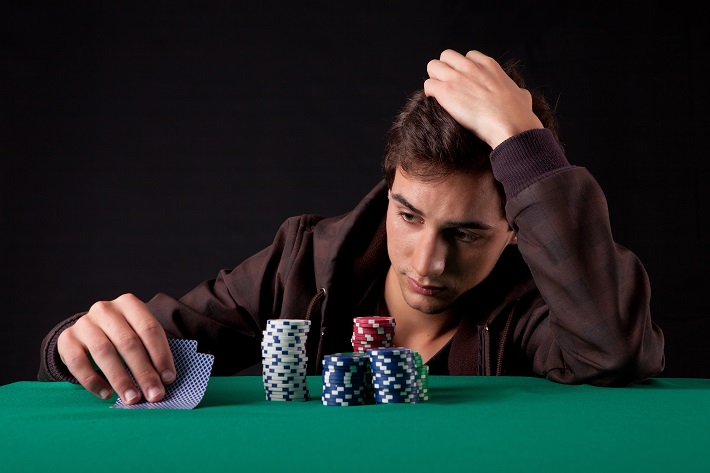
Imagine the relentless pull of gambling, the rush of anticipation, and the crushing aftermath of loss. For many, gambling addiction is a cycle that feels impossible to escape. Yet, new medical treatments are emerging to offer hope. Among these, naltrexone stands out as a medication that may help people regain control over their lives. This article explores how naltrexone works, its benefits and risks, and the alternative paths available for treating gambling addiction.
Examine Why Gambling Addiction Is So Hard to Overcome
Gambling addiction is not simply a bad habit. It is a recognized behavioral disorder with deep psychological and neurological roots. The disorder hijacks the brain’s reward system, much like drugs or alcohol do. When someone gambles, their brain releases dopamine—a chemical messenger linked to pleasure and reinforcement. Over time, the brain learns to crave this rush, making it difficult to resist urges even when the consequences are severe.
The similarities between gambling addiction and substance use disorders are striking. Both conditions involve powerful cravings, loss of control, and high rates of relapse. People struggling with gambling addiction often experience financial ruin, strained relationships, and mental health challenges. Effective treatments are urgently needed to break this destructive cycle.
This urgency is growing even stronger today because gambling addiction is rising alongside the sheer accessibility of games. Digital platforms have removed nearly all barriers—games are available 24/7, on mobile devices, and often designed to be fast, immersive, and emotionally engaging. These factors significantly increase risk, especially for people already vulnerable to compulsive behaviors. The combination of constant availability, instant outcomes, and heightened stimulation is one of the key reasons addiction rates continue to climb.
If you look at recent trends, live game shows are gaining popularity particularly quickly. One of the most prominent examples is Lightning Storm. Lightning Storm uses a live-hosted format with rapid rounds, dramatic visuals, and lightning multipliers that can suddenly increase outcomes. This unpredictability and pace are exactly what make the game appealing—but also potentially problematic for individuals struggling with impulse control, as the constant excitement reinforces the brain’s reward loop.
It’s also important to note that Lightning Storm is not available on every platform, which has led many users to rely on dedicated information resources to understand the game and identify legitimate operators. The most visited of these is https://lightningstormgame.org/, where Lightning Storm is explained in detail and trusted platforms are listed.
Ultimately, awareness is a critical part of recovery. Understanding how modern gambling formats intensify addictive patterns helps put treatments like naltrexone into context—not as a cure-all, but as one tool among many. With the right medical support, behavioral therapy, and informed choices, it is possible to reduce harm, regain control, and begin moving toward long-term recovery.
Explore the Science Behind Naltrexone and Gambling Addiction
Naltrexone is a medication originally developed to treat opioid dependence and alcohol use disorder. Classified as an opioid antagonist, it works by blocking specific receptors in the brain that trigger the release of dopamine during rewarding activities.
Think of the brain’s reward system as a fireworks display set off by gambling. Naltrexone acts like a rainstorm, dampening the show and making the experience less thrilling. By reducing the pleasurable effects, naltrexone weakens the compulsion to gamble.
Clinical studies support this mechanism. In several trials, people taking naltrexone reported fewer urges to gamble and experienced a notable decrease in gambling episodes. For example, a double-blind study found that participants on naltrexone experienced up to a 50% reduction in the frequency of gambling, with cravings dropping by nearly 40%. These results highlight naltrexone’s promise as a tool for those seeking to break free from gambling addiction.
Understand the Benefits Backed by Clinical Research
Naltrexone offers several key benefits for individuals struggling with gambling addiction:
- Reduction in gambling urges and cravings
- Decrease in the frequency and intensity of gambling episodes
- Improved control over gambling behaviors
- Enhanced quality of life, including better financial stability and mental health
Consider the case of “Alex,” a fictional representation based on clinical experience. After years of compulsive gambling, Alex began naltrexone treatment under medical supervision. Within a month, he noticed fewer urges to visit casinos, and his gambling episodes became less frequent. Over time, Alex regained control of his finances and rebuilt trust with his family, illustrating the real-world impact these benefits can have.
Recognize the Potential Side Effects and Risks
Like any medication, naltrexone comes with potential side effects. The most commonly reported include:
- Nausea
- Headache
- Fatigue
- Dizziness
- Insomnia
While these effects are generally mild and temporary, rare but serious risks can occur. Liver problems and allergic reactions have been documented, underscoring the need for regular medical monitoring. Naltrexone may also interact with other medications and is not recommended for those with active liver disease or during pregnancy. It is important to discuss all potential side effects and risks with a healthcare provider before starting treatment.
- Compare Alternative Paths to Recovery
Naltrexone is not the only option for treating gambling addiction. Other evidence-based approaches include:
- Cognitive-behavioral therapy (CBT): Focuses on changing unhealthy thought patterns and behaviors
- Support groups such as Gamblers Anonymous: Provide peer encouragement and shared experiences
- Motivational interviewing: Enhances motivation for change
- Family therapy: Addresses the impact of gambling on relationships
- Self-help strategies: Include setting spending limits and finding alternative activities
Learn How to Access Naltrexone Treatment
Accessing naltrexone requires several steps:
1. Schedule a consultation with a healthcare provider specializing in addiction or mental health.
2. Undergo an assessment to determine if naltrexone is appropriate for your situation.
3. If prescribed, fill the medication at a pharmacy.
4. Attend regular follow-up appointments to monitor progress and manage any side effects.
Naltrexone is available only by prescription and should never be used without medical supervision.
Find Out Who Should Consider Naltrexone
Naltrexone is not suitable for everyone with gambling addiction. Several factors influence its appropriateness:
- Overall health and medical history, particularly liver function
- Pregnancy or plans to become pregnant
- Past reactions to similar medications
- Presence of co-occurring mental health or substance use disorders
A thorough evaluation by a healthcare professional is essential to develop a safe, personalized treatment plan.
Set Realistic Expectations for Results and Recovery
Most people begin to notice changes in their gambling urges and behaviors within 4 to 6 weeks of starting naltrexone. However, individual responses vary, and some may take longer to see results. Patience, ongoing support, and regular assessment are vital throughout the process. Naltrexone should be viewed as one part of a comprehensive recovery strategy, not a stand-alone cure.