
Las Vegas Makes an Unexpected Move Into Biotech
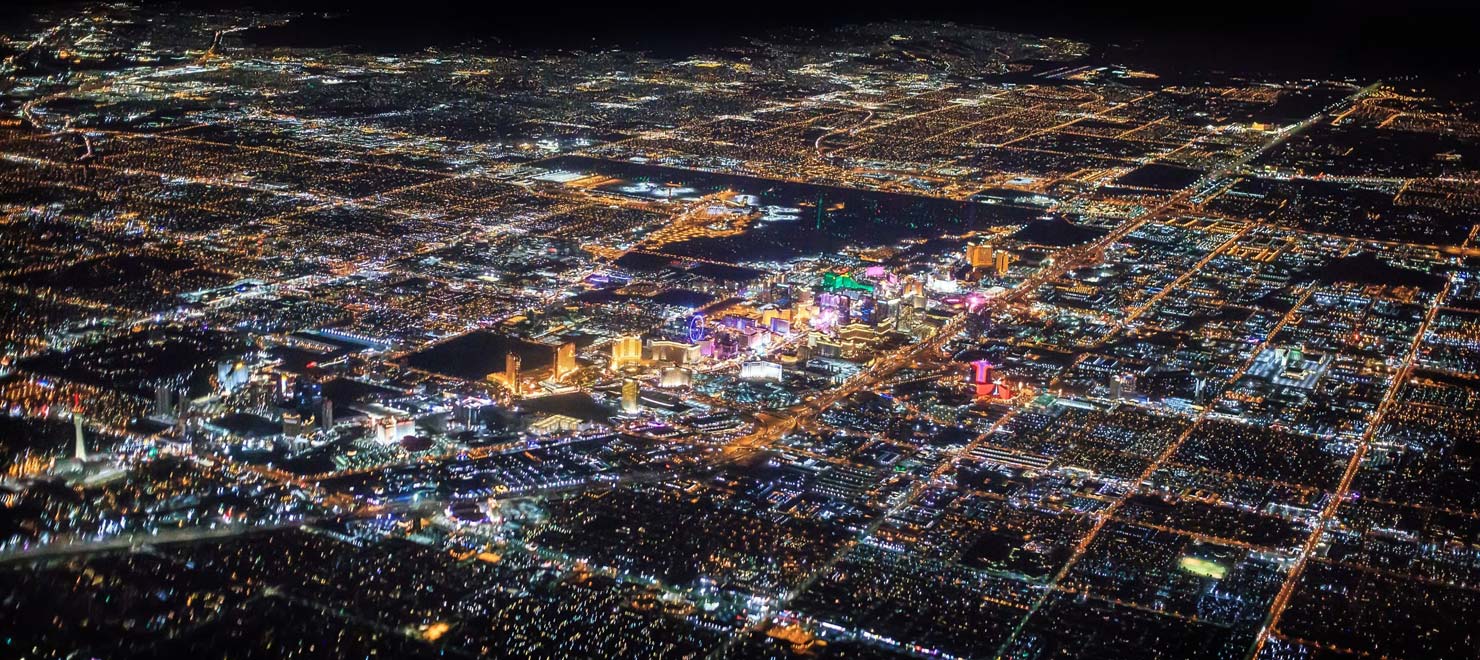
A city whose name has for decades been synonymous with casinos, shows, and neon signs is beginning to resonate in an entirely different context. Las Vegas is increasingly asserting itself as an emerging hub for biotech and biopharma. For the market and investors, this signals the emergence of a new center of gravity — one where a combination of climate conditions, low cost of doing business, and an ambitious infrastructure program could reshape the industry’s geography.
Why Does the State Need to Change in the Age of Digitalization?
Nevada’s drive to diversify its economy is no accident. The traditional reliance on the entertainment industry is yielding diminishing returns, and one key reason is the rapid rise of iGaming. Online casinos are drawing audiences away from physical venues, making active use of bonus programs: free spins, no-deposit cash, and promo codes. The scale of this phenomenon is well illustrated by the industry sites we reviewed covering no-deposit bonus reviews. The very fact that traffic to such platforms is growing rapidly points to a major transformation in the gambling entertainment market.
According to analysts, the global online gambling market is growing at 10–12% annually, and every percentage point of that growth represents dollars that no longer reach Strip cashiers. This is precisely why state authorities are seeking new footholds, and biotech has emerged as one of the most promising directions.
Numbers That Confirm the Shift
The scale of change is backed by statistics. Nevada’s life sciences sector currently employs 9,413 workers. From 2018 to 2021, the industry grew by 22%, notably outpacing the national average. Over the same period, more than $103 million in venture capital was directed into the state’s biotech sector.
The academic foundation is also receiving a boost. In fiscal year 2021, R&D expenditures at universities totaled $2.1 million, while National Institutes of Health (NIH) funding reached $115,959. The figures remain modest compared to coastal hubs, yet the trajectory speaks for itself.
Context: Where the Traditional Biotech “Capitals” Hold Sway
San Francisco, Boston, and San Diego remain the recognized leaders of the biotechnology industry. These cities concentrate the largest research universities, deep talent pools, and mature VC ecosystems. Against this backdrop, Las Vegas is positioning itself as a new contender, drawing attention through its pace of growth and unconventional competitive advantages.
How the City Used the Super Bowl as a Showcase
Las Vegas Global Economic Alliance (LGVEA) turned the recent Super Bowl into a showcase for the region’s business opportunities. The organization invited 16 CEOs, a quarter of whom represented the biotech sector. The goal was to demonstrate the city’s infrastructure and resources for life sciences.
The guests’ reactions were telling. According to Tina Quigley, President and CEO of LGVEA, the executives were genuinely surprised: “The feedback we received came down to one thing: ‘I had no idea.’ They were amazed by the availability of wet lab space and by the fact that the education system is already preparing to build a talent pipeline for the industry.”
LGVEA’s Positioning and the “Three Buckets” of Local Biotech
LGVEA describes the structure of regional biotech through three key directions. Mitch Keenan, the organization’s Vice President of Business Development, frames it this way: “Companies in our region fall into three main categories: biopharma, bioapplications, and bioinformatics.” According to LGVEA, this diversification makes the ecosystem more resilient and attractive to investors interested in different segments of life sciences.
Who Is Already Operating in the Region
Several notable players are active in the Las Vegas area:
• Heligenics and Elekta, specializing in genetic analysis
• Optum Frontier Therapies, providing access to rare diseases therapy
Across Nevada more broadly, the map of companies expands further: Charles River Laboratories operates in Reno, JanOne is based in Las Vegas, and GSK Research conducts activities in Henderson.
The Desert Climate as a Manufacturing Advantage
The arid climate and low humidity characteristic of the desert region reduce the costs of climate control and dehumidification — expenses that represent a significant line item in traditional hubs. Moisture-sensitive formats such as capsules, gels, and specialized pharmaceutical compositions can be stored and manufactured at lower cost in naturally dry conditions. “Creating the right environment is expensive for companies. Here, it already exists,” Keenan noted.
The Ecosystem Is Growing, but Bottlenecks Remain
Like any emerging hub, Las Vegas is experiencing growing pains. The region’s VC ecosystem is still maturing, and attracting top researchers accustomed to the developed infrastructure and cultural environment of Boston or the Bay Area remains a serious challenge. Investment has already arrived, but the talent market remains highly competitive.
Cheaper Than Coastal Hubs
The cost of doing business remains one of the strongest arguments for startups and growing companies. Nevada’s tax and business environment allows for faster scaling. “We represent a low-cost market compared to the coastal hubs of Boston, La Jolla, and San Francisco, and our tax structure creates conditions for scaling,” Keenan emphasized.
A Comparison with San Francisco in Numbers
Living and hiring in Las Vegas is noticeably more affordable. The city’s cost-of-living index stands at 97.6, compared to 170.0 in San Francisco. The housing affordability index reaches 18.5, while San Francisco’s figure is just 7.0. In the competition for talent, such a difference can be a decisive advantage.
Rankings and a Signal from the Tech Sector
A 2023 study by Crowdfund Capital Advisors named Las Vegas the best U.S. city for pre-IPO startups. “When you examine the entrepreneurial environment of Las Vegas, you find all the key elements. That is why the city has become one of the fastest-growing tech hubs in the country,” noted Sherwood Neiss, a senior figure at Crowdfund Capital Advisors. For entrepreneurs in life sciences, this context makes the region particularly attractive.
Universities and Laboratories as the Next Growth Driver
Three key academic and research institutions form the backbone of the cluster: UNLV, which holds the status of an R1 research university, Touro University, and Roseman University of Health Sciences. The latter already has 75,000 square feet of wet lab space and is planning to expand into a full-scale biotech park. “The presidents of our universities are very eager to participate in attracting this cluster,” Quigley confirmed.
What Must Come Together for the Momentum to Hold
Las Vegas’s further trajectory as a biotech hub depends on two variables. The first is the pace at which the venture capital infrastructure matures to provide late-stage funding. The second is the region’s ability to compete for research talent with cities where scientific environments have been built over decades. How quickly the ecosystem closes these gaps will determine whether this desert city becomes a full-fledged player on the global biotech map.